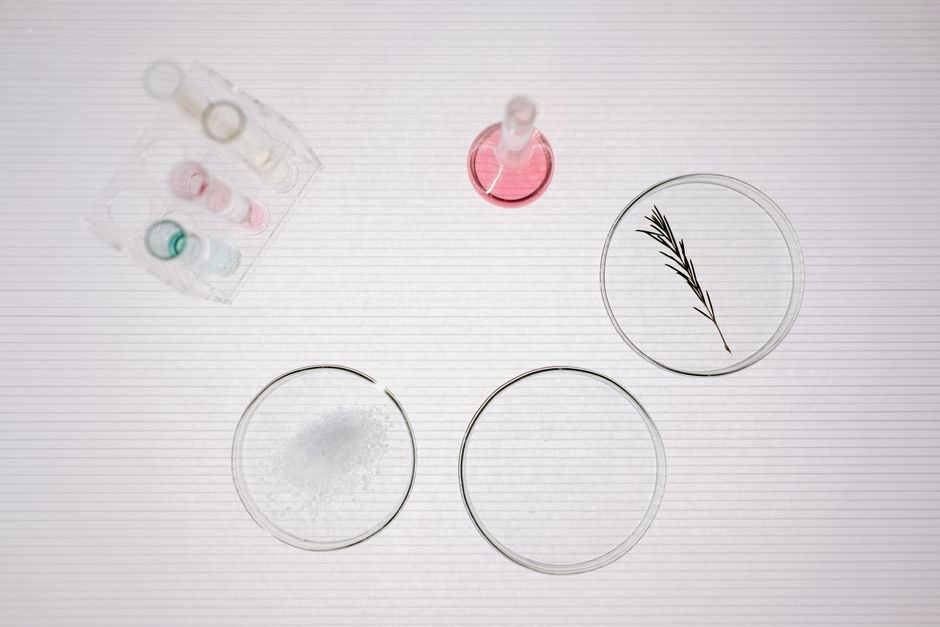
Overview of the Manual
The third edition expands with general notes, 68 detailed experiments, and an extensive quantitative analysis section. Clear, concise style guides students through synthesis, safety, and data interpretation, ensuring up‑to‑date reagents and modern apparatus are covered. Practical skills honed.
Purpose and Scope
The third edition of this organic chemistry laboratory manual is designed to serve as a comprehensive, user‑friendly guide for undergraduate and graduate students, as well as teaching assistants, who seek to master the practical aspects of modern organic synthesis. Its primary purpose is to bridge the gap between theoretical coursework and hands‑on laboratory experience by presenting sixty‑eight carefully curated experiments that span a broad spectrum of reaction types, from classic alkyl halide formation to contemporary, environmentally conscious transformations. The manual emphasizes reproducibility, safety, and analytical rigor, offering detailed step‑by‑step procedures, troubleshooting tips, and clear explanations of underlying mechanisms. In addition to experimental protocols, the text includes a substantial section on quantitative organic analysis, featuring titration methods, spectroscopic techniques, and data interpretation strategies that enable students to verify reaction outcomes and refine their analytical skills. The scope of the manual extends beyond routine laboratory work; it encourages critical thinking, fosters an appreciation for the historical development of organic chemistry, and promotes responsible laboratory practices. By integrating modern reagents, state‑of‑the‑art apparatus, and contemporary pedagogical approaches, this edition aims to equip learners with the confidence and competence needed to conduct independent research
Safety and Hazard Communication
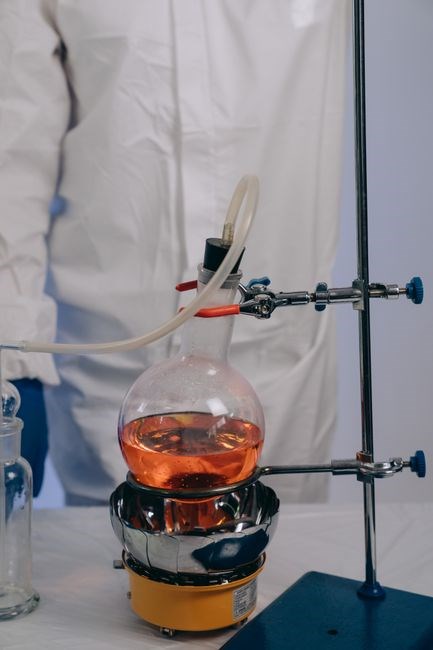
All procedures follow institutional safety guidelines. Reagents are classified by hazard, with SDS references. Proper PPE—gloves, goggles, lab coat—is mandatory. Ventilation, spill kits, and fire extinguishers are required in every work area.
Personal Protective Equipment
All laboratory personnel must wear appropriate personal protective equipment (PPE) to mitigate exposure to hazardous chemicals and physical risks. The minimum PPE ensemble includes a chemical‑resistant lab coat, safety goggles or face shield, and nitrile or latex gloves sized to fit comfortably. For procedures involving volatile or corrosive reagents, additional measures such as a respirator with activated charcoal filters and splash‑proof footwear are required. PPE should be inspected before each use; any damage or contamination must be reported and replaced immediately; Proper donning and doffing techniques reduce cross‑contamination: gloves are removed first, followed by goggles or face shield, then the lab coat, and finally footwear. After use, gloves and goggles are disposed of or decontaminated according to institutional protocols. The manual emphasizes that PPE is not a substitute for safe work practices; it is a critical layer of defense that must be complemented by proper ventilation, spill containment, and emergency response training. All staff are trained in PPE selection, maintenance, and emergency removal procedures to ensure rapid response to spills or exposure incidents.
The manual also details proper PPE storage, labeling, waste disposal protocols, ensuring compliance with institutional regulatory standards. It emphasizes that PPE integrity must be verified before each experiment,any compromised gear is to be replaced immediately.
Laboratory Equipment and Apparatus
Comprehensive overview of standard glassware, metalware, and modern apparatus—rotary evaporators, reflux condensers, and analytical balances—ensuring safe, efficient operations. Detailed specifications, calibration, and maintenance guidelines are provided for each item. All equipment calibrated yearly!
Standard Glassware
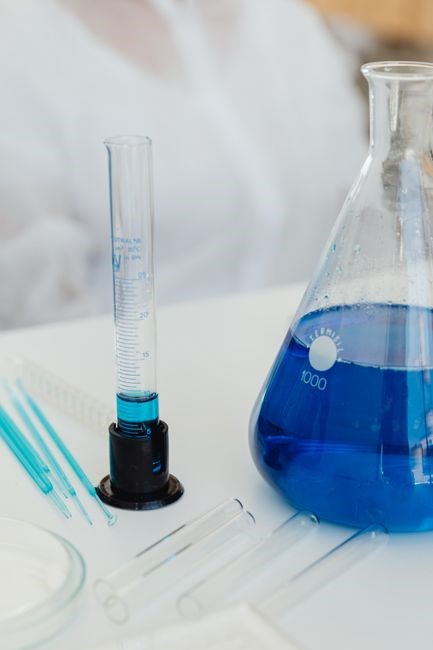
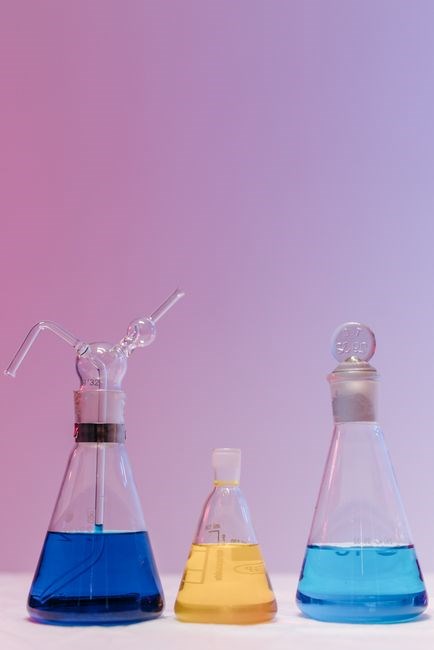
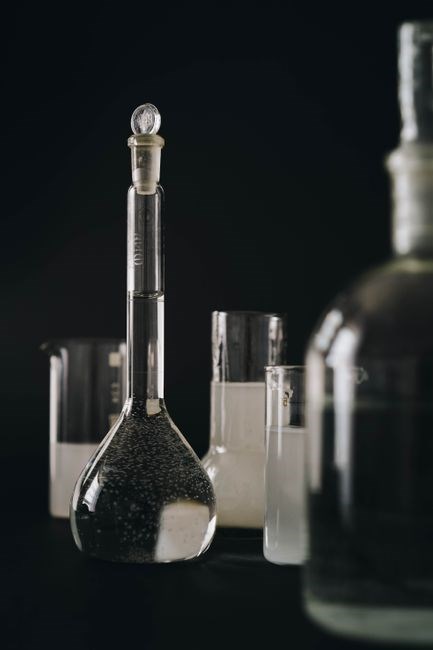
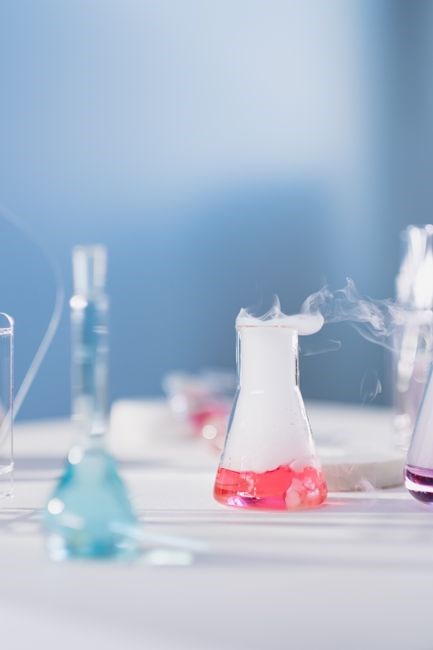
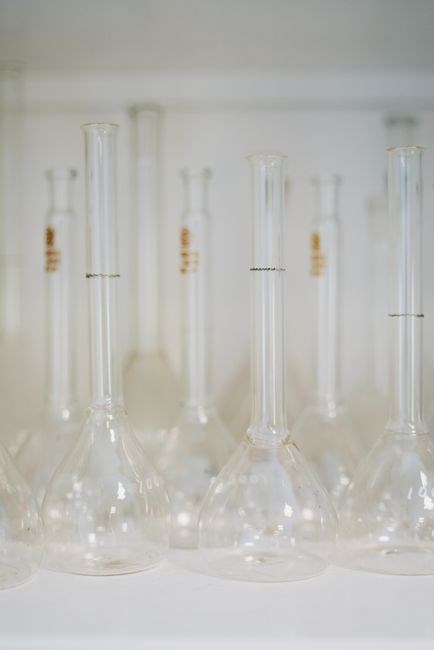
Standard glassware constitutes the essential toolkit of any organic chemistry laboratory, offering reliable, inert, and reproducible vessels for synthesis, purification, and analytical procedures. The core items include round‑bottom flasks, Erlenmeyer flasks, volumetric flasks, graduated cylinders, and beakers, each engineered for distinct roles such as heating, mixing, measuring, and containment of volatile reagents. The core items include round‑bottom flasks, with their spherical geometry, enable uniform heating and efficient stirring when coupled with magnetic or mechanical stirrers; they are indispensable for reflux, distillation, and reaction assemblies. Erlenmeyer flasks, featuring conical bodies and narrow necks, are ideal for mixing, centrifugation, and storage, while their wide mouths facilitate the addition of solids and liquids. Volumetric flasks provide high‑accuracy volume determinations for solution preparation; the narrow neck and calibrated bulb ensure precise volumes down to the milliliter, making them indispensable for analytical titrations and standard preparations. Graduated cylinders and beakers offer rapid volume estimation; the former delivers finer gradations for laboratory‑scale measurements, whereas the latter accommodates larger volumes for bulk handling and transfer. All glassware must undergo a meticulous inspection for cracks, chips, and residue before use, and be cleaned with appropriate solvents to eliminate cross‑contamination. Proper storage—sealed in dust covers or labeled containers—protects integrity and prevents damage. Safety protocols mandate the use of heat‑resistant gloves, eye protection, and the avoidance of rapid temperature changes to mitigate breakage. When employed correctly, these standard pieces underpin the reproducibility, safety, and efficiency of organic laboratory work, ensuring that experimental outcomes are both reliable and reproducible across diverse research settings.!
Reagents and Materials
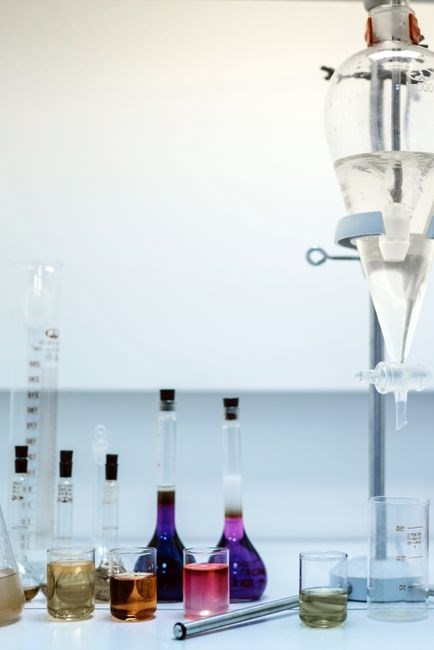
Reagents and materials form the backbone of every experiment. This manual lists high‑purity solvents, acids, bases, and coupling agents, alongside detailed handling instructions. Emphasis on storage, labeling, and waste segregation ensures safety and reproducibility. All reagents carry batch number expiry.
Common Organic Reagents
In the laboratory, a core set of reagents underpins routine synthesis and analysis. The manual catalogs 25 essential compounds, grouped by functional class: alcohols, aldehydes, ketones, carboxylic acids, amines, and halides. Each entry lists the supplier, catalogue number, purity grade, and the storage temperature. absolute ethanol (99.5 % v/v, 200 ml) is stored at 4 °C in a sealed amber bottle to prevent evaporation. Acetone (analytical grade, 500 ml) is kept at room temperature in a tightly capped container, away from sunlight; Sodium bicarbonate, a common base, is supplied as a 5 % w/v solution and used for pH adjustments. Triethylamine (TEA) is handled under a fume hood due to its strong odor and corrosive vapors; it is stored in a dark bottle at 0–5 °C. Dichloromethane (DCM) is listed with a hazard statement and advises using a dedicated DCM spill kit. Phenylmagnesium bromide (Grignard reagent) is prepared fresh in situ, and the manual details the stoichiometric ratio and reaction time. For coupling reactions, the manual recommends using HATU or DCC with NHS in dry dichloromethane, providing a step‑by‑step protocol. The section also covers the handling of acids such as trifluoroacetic acid (TFA) and the use of protecting groups like TBDMS and Boc. All reagents are accompanied by a safety data sheet (SDS) reference, and the manual emphasizes the importance of verifying reagent identity by melting point or NMR before use. By providing detailed specifications, storage instructions, and safety precautions, this section equips students with the knowledge to select, store, and use reagents responsibly, ensuring reliable experimental outcomes and maintaining a safe laboratory environment.
Experimental Protocols (Sixty-eight Experiments)
The manual presents 68 step‑by‑step procedures covering synthesis, purification, and analysis. Each protocol includes reagents, quantities, safety notes, and expected yields, enabling reproducible, lab high results lab students labresearchers
Synthesis of Alkyl Halides
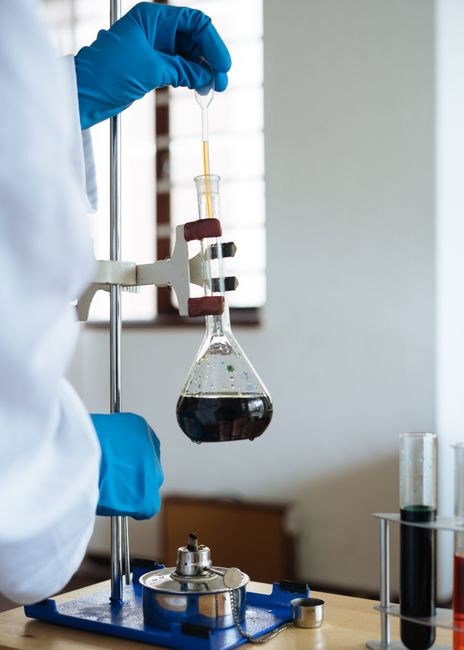
In this section, students perform classic halogenation reactions to convert primary, secondary, and tertiary alcohols into corresponding alkyl halides. The protocols emphasize the use of reagents such as thionyl chloride, phosphorus tribromide, and N‑chlorosuccinimide, each chosen for its selectivity and ease of handling. Reaction conditions are carefully controlled: temperatures are kept below 0 °C for thionyl chloride to suppress the formation of chlorinated by‑products, while phosphorus tribromide reactions are conducted at reflux in dry dichloromethane to maximize conversion. Work‑up procedures involve quenching with saturated sodium bicarbonate, extraction with ethyl acetate, and drying over anhydrous magnesium sulfate before concentration under reduced pressure. Purification is achieved by flash chromatography on silica gel, using hexane/ethyl acetate gradients tailored to the substrate’s polarity. Students record yields, typically ranging from 70–95 %, and analyze products by thin‑layer chromatography and gas chromatography‑mass spectrometry to confirm structure and purity. Safety considerations include the handling of corrosive reagents, the need for proper ventilation, and the disposal of halogenated waste according to institutional protocols. The section concludes with a comparison of reaction mechanisms—SN2, SN1, and E2 pathways—illustrated through kinetic studies and product distribution data. Students monitor reaction selectivity by thin‑layer chromatography, ensuring reproducibility across varied substrates in a single experiment, and.
Quantitative Organic Analysis
.
This manual introduces titration, chromatography, and spectroscopy for precise quantification of organic compounds. Students learn to calculate concentrations, assess purity, and apply statistical methods to validate analytical results. Detailed procedures and safety. Tips!
Titration Methods
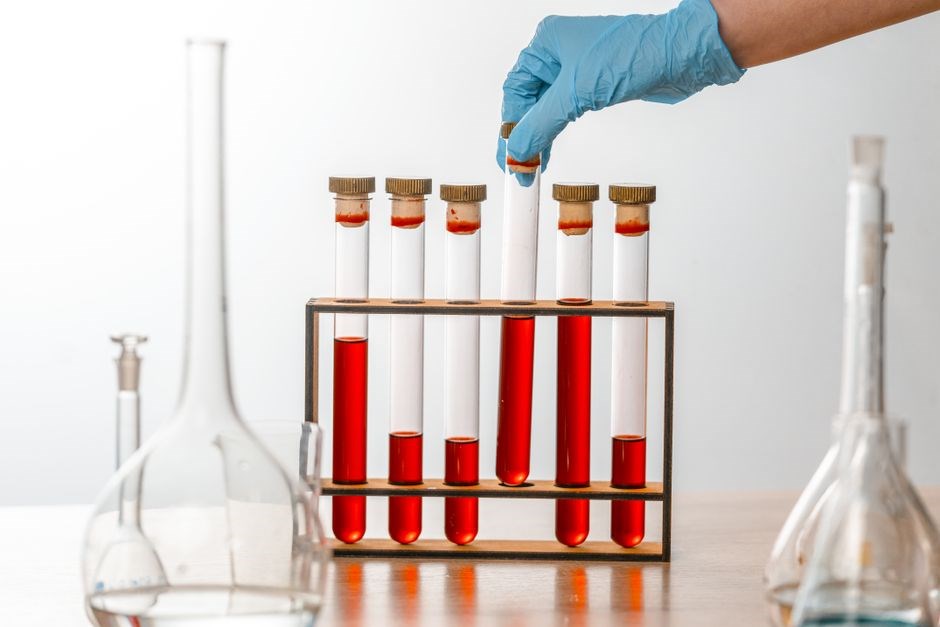
In this section, students master classic and modern titration techniques essential for quantitative organic analysis. The curriculum covers acid–base titrations using phenolphthalein, methyl orange, and bromothymol blue indicators, emphasizing endpoint detection, pH meter calibration, and buffer preparation. Redox titrations employ potassium permanganate and dichromate as oxidants, while complexometric titrations use EDTA to quantify metal ions. Back titration strategies are introduced for weakly soluble or volatile analytes, demonstrating the importance of stoichiometric calculations and excess reagent handling. The manual details burette calibration, solution preparation, and systematic error analysis, including repeatability, reproducibility, and uncertainty propagation. Students perform calculations for normality, molarity, and percent purity, applying logarithmic and linear regression for titration curves. Practical sessions incorporate safety protocols, waste disposal, and data recording best practices, ensuring compliance with institutional guidelines. By integrating theory with hands‑on experimentation, learners gain confidence in interpreting titration data and troubleshooting common pitfalls;
Advanced topics include potentiometric titrations using ion‑selective electrodes, spectrophotometric titrations for analytes lacking chromophores, and the application of automated titrators for high‑throughput analysis. Students learn to construct titration curves, determine inflection points via first derivative analysis, and apply the Hill equation for ligand binding studies. The manual also discusses the use of standard addition to correct for matrix effects, and the implementation of blank corrections to improve accuracy. Through detailed worksheets and real‑time data logging, participants refine analytical reasoning and develop robust reporting skills, ensuring reproducible results across laboratories and fostering confidence in quantitative organic chemistry practice. These methods are validated against certified reference materials daily.
Data Recording and Interpretation
Students log experimental conditions, raw data, and calculated values in standardized notebooks and spreadsheets. Data is plotted to reveal trends; statistical analysis assesses precision. Interpretation connects results to theory, guiding hypothesis refinement daily!?
Spectroscopic Data Analysis
Students begin by reviewing raw spectra, noting baseline, noise, and peak shapes. For NMR, chemical shifts (δ) are assigned to protons or carbons, multiplicities interpreted via spin–spin coupling (J values). Integration curves yield proton counts, confirming formulae. Coupling patterns reveal vicinal relationships and stereochemistry. In IR, absorption bands between 4000–400 cm⁻¹ identify functional groups: sharp peaks near 1700 cm⁻¹ indicate C=O, broad bands around 3300 cm⁻¹ signal O–H or N–H. Mass spectrometry provides molecular ion peaks (M⁺) and fragmentation patterns; isotope ratios (¹³C, ²H) help confirm structure. UV‑Vis spectra display λmax values corresponding to π→π* or n→π* transitions, informing conjugation length. Students plot chromatograms, calculate retention times, and compare with standards. Spectral databases (NIST, SpectraBase) are consulted for reference values. Data is entered into spreadsheets, where linearity of calibration curves is verified. Errors from instrument drift, solvent impurities, or sample concentration are quantified. Final reports include annotated spectra, calculated molecular weights, and a discussion linking spectroscopic evidence to proposed structures. This systematic approach ensures reproducibility and critical evaluation of experimental outcomes. The spectra are cross‑validated against literature data, and prompt re‑examination of calibration, ensuring and high solid confidence in the structural assignment;



Be the first to reply